


SMS Pumping Fraud: Detection and Prevention
SMS pumping fraud is a growing cybercrime that can cost your business thousands or even millions of dollars in unexpected SMS charges. It’s a sophisticated attack that exploits text messaging systems connected to web apps and forms, turning your legitimate SMS verification processes into profit machines for criminals.
Understanding how SMS pumping works and implementing the right protection measures can save your organization from significant financial losses and service disruptions. In this article, you’ll learn what SMS pumping fraud is and how bad actors profit from it, which industries face the highest risk, how you can detect attacks early, and how you can protect your business from these costly attacks.
Key takeaways
- SMS pumping exploits any system that sends automated text messages, from login codes to promotional offers, making virtually all businesses vulnerable.
- Fraudsters use bots to trigger thousands of SMS sends to premium-rate numbers they control, profiting from the high delivery fees charged to your business.
- Geographic patterns and sequential phone numbers are the strongest early warning signs that can help you detect attacks before costs spiral.
- Multi-layered protection combining geographic blocking, rate limiting, and form validation provides better defense than any single security measure.
- Advanced bot protection offers the most effective defense by stopping automated attacks before fraudulent SMS requests are generated.
What is SMS pumping fraud?
SMS pumping, also known as artificially inflated traffic (AIT) or SMS toll fraud, happens when cybercriminals use automated bots to flood your SMS systems with fake requests. These attacks target any system that sends text messages automatically, such as one-time passcode verification or app download links.
Here’s how it works: Fraudsters insert premium-rate phone numbers into your online forms and trigger your system to send SMS messages to these numbers. The mobile network operator (MNO) charges high fees for delivering messages to these premium destinations. In many cases, dishonest MNOs collaborate with the fraudsters and share the revenue generated from these inflated SMS charges.
The scale of this problem is massive. According to Mobile Europe, 20 billion fake A2P SMS messages were sent in 2023, representing 5% of all A2P SMS traffic. Businesses spent $1.16 billion on these fraudulent messages in 2023 alone(1).
How does SMS pumping work?
SMS pumping attacks follow a predictable pattern that makes them profitable for bad actors.
- Target identification: Fraudsters scan the internet for websites and apps with SMS-enabled forms, particularly those offering promotions, account verification, or password resets.
- Bot deployment: Automated bots fill out these forms using premium-rate phone numbers that charge higher connection fees.
- Revenue generation: Your system sends SMS messages to these fake numbers, generating charges that flow through the mobile network operator to the fraudsters.
- Profit sharing: The fraudsters receive a portion of the revenue from each SMS sent to their controlled numbers.
The key to SMS pumping profitability is volume. Attackers need to generate thousands or tens of thousands of fake SMS requests to make significant money, which is why they rely heavily on automation.
5 industries most at risk from SMS pumping
While any business using SMS verification can become a target, certain industries face higher risks:
- Banking and financial services: Fraudsters exploit SMS-based login systems by using stolen credentials from data breaches to trigger massive volumes of OTP requests.
- E-commerce platforms: Online stores offering promotional codes or account verification through SMS are common targets for web form attacks.
- Travel and hospitality: Booking platforms and travel apps that use SMS for reservation confirmations and account verification frequently see pumping attacks.
- Healthcare providers: Patient portals and appointment systems that send SMS confirmations can be exploited, especially during high-volume periods.
- Technology companies: Apps and platforms requiring phone verification for new user registration are attractive targets due to their scale.
The financial impact of SMS fraud on businesses
SMS pumping fraud creates multiple cost centers that can quickly spiral out of control:
- Direct SMS costs: You pay inflated rates for messages sent to premium-rate numbers, often without realizing it’s fraudulent traffic.
- Service interruption costs: Large-scale attacks can force you to temporarily disable SMS services, preventing legitimate customers from accessing your platform.
- Investigation and remediation expenses: Detecting and stopping attacks requires technical resources and potentially external security consultants.
- Customer service overhead: Legitimate users may experience delayed or failed SMS delivery during attacks, increasing support ticket volume.
- Reputation damage: If customers associate your brand with spam or unreliable service, it can impact long-term business relationships.
The financial impact varies by industry and attack scale, but even small businesses can face bills reaching tens of thousands of dollars from a single coordinated attack.
How to detect SMS pumping attacks
Recognizing SMS pumping early can minimize damage and costs. Watch for these warning signs:
- Unusual traffic spikes: Sudden increases in SMS volume, especially outside normal business hours or seasonal patterns.
- Geographic anomalies: Large volumes of SMS requests from countries where your business has no customers or presence.
- Sequential phone numbers: Requests coming from numbers that follow obvious patterns like +1234567890, +1234567891, +1234567892.
- Incomplete form submissions: Web forms that are only partially filled out but still trigger SMS sends.
- Declining conversion rates: A drop in the percentage of users who successfully complete the verification process after receiving an SMS.
- Budget depletion: Rapidly exhausting your monthly SMS budget without corresponding business growth.
- Burst patterns: Short, intense periods of SMS activity followed by normal levels, repeated at regular intervals.
How to prevent SMS traffic pumping
Protecting your business from SMS pumping requires a multi-layered approach:
Add a CAPTCHA
Adding CAPTCHA challenges to forms that trigger SMS sends can significantly reduce automated attacks. Start with invisible CAPTCHAs that analyze user behavior without adding friction, then escalate to visual challenges only for suspicious requests.
Consider implementing progressive CAPTCHA systems that increase difficulty based on risk signals like IP reputation, device fingerprints, or request patterns. This approach maintains good user experience for legitimate users while effectively blocking bot traffic.
Even so, traditional CAPTCHAstarget=”_blank” rel=”noopener” href=”https://datadome.co/bot-management-protection/impact-of-captcha-on-user-experience/”>severely impact user experience and are not adequate solutions on their own against sophisticated attacks.
Rate limiting
Implement multiple layers of rate limiting to control SMS volume effectively. Set limits per phone number (such as 3 SMS requests per hour), per IP address (to catch attackers using multiple numbers), and per user session.
Consider implementing exponential backoff, where the waiting period increases with each subsequent request from the same source. For example, allow an immediate SMS for the first request, require a 5-minute wait for the second, 15 minutes for the third, and so on.
Monitor and adjust these limits based on your legitimate usage patterns. E-commerce sites might need higher limits during sales events, while banking applications can typically use stricter controls.
Geographic restrictions
Block SMS delivery to countries where your business doesn’t operate. Start by analyzing your legitimate customer base to identify which countries you actually serve, then create an allowlist of approved destinations.
Focus particularly on blocking high-cost SMS destinations in regions like parts of Africa, Asia-Pacific, and certain island nations where premium-rate numbers are commonly used in fraud schemes. Many SMS providers offer country-level blocking controls that can be implemented through their dashboards or APIs.
For businesses with international customers, consider implementing additional verification steps for requests from countries with known fraud risks, rather than blocking them entirely.
Phone number validations in forms
Strengthen your forms beyond basic required field validation. Use phone number format validation that checks for proper country codes and realistic number lengths for each region. Watch for suspicious patterns like sequential numbers (consecutive digits), numbers from the same range submitted rapidly, or phone numbers that don’t match the geographic region indicated by other form data.
Require users to complete all mandatory fields before triggering SMS sends, and consider adding a confirmation step that shows users their phone number before sending the verification code. This small friction can deter automated submissions while giving legitimate users a chance to correct typos.
Alternative authentication methods
Reduce your reliance on SMS by implementing app-based authentication using solutions like Google Authenticator, Authy, or custom mobile apps. These methods eliminate SMS costs entirely while often providing better security.
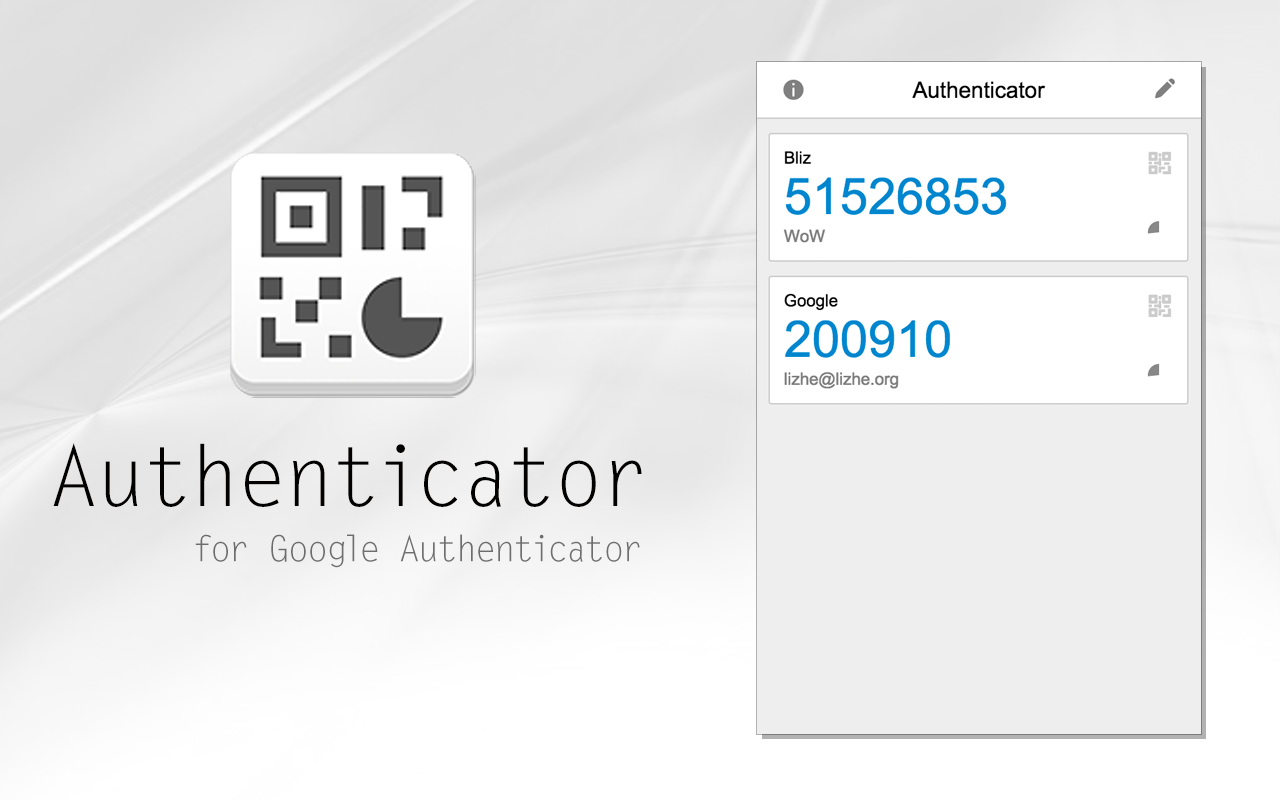
App-based authentication is often more secure than SMS-based authentication
Consider push notifications through your mobile app as an alternative to SMS codes. Users receive instant notifications that they can approve or deny directly within your app, creating a smoother experience while avoiding SMS pumping risks.
For web-based applications, explore email-based verification, hardware security keys, or biometric authentication where appropriate. Each alternative has different user experience implications, so test thoroughly with your user base before full implementation.
Advanced bot protection
Use comprehensive bot protection that analyzes multiple signals to identify automated traffic in real-time. Modern solutions examine device fingerprints, behavioral patterns, mouse movements, keyboard timing, and network characteristics to distinguish between humans and bots.
Look for solutions that update their detection models continuously as attack methods evolve. The most effective systems use machine learning trained on global threat intelligence to identify new attack patterns before they become widespread.
Ensure your bot protection integrates seamlessly with your existing SMS infrastructure and can make blocking decisions within milliseconds to avoid impacting legitimate user experience.
What is SMS pumping protection?
SMS pumping protection refers to specialized security solutions designed to identify and block fraudulent SMS traffic before it generates costs for your business. Modern SMS protection systems work with:
- Real-time analysis: Examine each SMS request as it occurs to identify patterns consistent with pumping attacks.
- Risk scoring: Assign risk levels to phone numbers, geographic regions, and request patterns based on historical fraud data.
- Automatic blocking: Prevent suspicious SMS sends from completing while allowing legitimate traffic to proceed normally.
- Continuous learning: Adapt to new attack methods and improve detection accuracy over time.
- Integration capabilities: Work seamlessly with existing SMS infrastructure and business workflows.
Stop SMS pumping with DataDome
SMS pumping attacks continue growing in sophistication and scale, making proactive protection essential for any business using SMS verification or communication.
DataDome’s real-time bot protection integrates seamlessly with your existing infrastructure, identifying and blocking SMS pumping attempts within milliseconds. Our machine learning-powered solution has helped customers across industries eliminate fraudulent SMS traffic while maintaining smooth experiences for legitimate users.
Don’t wait for an attack to impact your business. Try DataDome for free to see its real-time threat detection. Start protecting your SMS systems today.
FAQ
Small businesses should implement basic protections like geographic blocking, rate limiting, and CAPTCHA on SMS-triggered forms. Consider using SMS providers that offer built-in fraud protection and monitor your SMS usage regularly for unusual patterns.
Immediately implement rate limiting or temporarily disable SMS sends to suspicious destinations. Contact your SMS provider to report the attack and implement emergency blocking for high-risk number ranges. Review your SMS logs to identify attack patterns and implement preventive measures.
Legitimate spikes usually correlate with business events like marketing campaigns or seasonal increases. SMS pumping typically shows geographic patterns inconsistent with your customer base, sequential phone numbers, and low conversion rates from SMS to completed actions.
While there are no specific regulations for SMS pumping protection, businesses may face compliance issues if attacks compromise customer data or service availability. Financial services and healthcare organizations should consider SMS security as part of their overall data protection obligations.
SMS pumping fraud creates immediate financial risks through unexpected SMS charges that can reach thousands of dollars monthly, often going undetected until bills arrive. Attacks also cause service disruptions when companies must disable SMS systems, preventing legitimate customer access and damaging brand reputation through unreliable service delivery.

Related posts

How Kiabi Cut Malicious Login Attempts & Gained Instant Threat Visibility
Tell me more

What Is Account Takeover Fraud? Attacks, Signs, & Prevention
Tell me more

Account Protect Updates: Clearer Visibility, Stronger Signals, & More Control
Tell me more

How Effective Is CAPTCHA? Does It Really Stop Bots?
Tell me more

