


How to Detect & Prevent SQL Injection Attacks in 2024
An SQL injection is an extremely common type of cyberattack, especially on PHP and ASP applications. In fact, code injection (which includes SQL injection) tops the OWASP Top Ten list of web application security risks.
There are three main reasons for this:
- SQL databases are ubiquitous.
- These databases typically contain data that is extremely attractive for hackers (user account data, credit card numbers, administrator login credentials, et cetera).
- Injection vulnerability is a widespread security flaw in web applications, especially in legacy code.
Let’s take a closer look at how SQL injection attacks are perpetrated, why many common prevention strategies are inefficient, and how an effective bot protection solution is invaluable not just for SQL injection attack prevention, but for all other kinds of bot-driven attacks as well.
Summary
What are SQL injection (SQLi) attacks?
SQL injection is an attack technique that exploits security holes in data fields such as contact forms and search bars, or in web pages with dynamic content—in other words, interactive areas with an “open line” to a backend database.
If the input is not being sanitized properly, hackers can use these areas to inject malicious SQL commands which trick the database into performing unintended actions.
For the target, the impact of a successful SQL injection attack is often severe.
A (Very) Brief History of SQL Injection
SQL injection is an old technique: what’s commonly considered to be the first description dates back to 1998. Since then, malicious actors have used SQL injection attacks to wreak havoc on businesses and institutions ranging from the World Trade Organization to Yahoo.
In a particularly juicy 2013 offensive, hackers found a way to trick Google web crawlers into executing SQL injection attacks, by simply posting SQL injection URLs on websites they controlled. When Google spiders crawled these websites, they would follow the malicious links, unknowingly becoming vectors for SQL injection attacks on the targets.
More recently, Magento’s commercial and open-source platforms left over 300,000 e-commerce sites open to cyberattacks—including SQL injection—which enabled bad actors to skim credit card data from millions of online retail consumers. Because of the vulnerable Magento code, the attackers could inject malicious SQL commands and send them to target retail store databases in an effort to retrieve sensitive data, such as customer and payment information.
Who launches SQL injection attacks, and why?
SQL injections attacks are cheap and easy to perpetrate, and the consequences can be devastating for the victim. It’s therefore no surprise that the method remains popular with hackers.
A successful SQL injection attack can enable the perpetrators to:
- Extract and disclose sensitive data
- Delete database content
- Manipulate transactions
- Forge identities
- Force privilege escalation and become administrators of the database server
PHP and ASP applications are particularly popular targets, due to the frequent prevalence of older interfaces. Businesses also tend to fall short of employing prevention solutions against SQL injection attacks.
The Anatomy of an SQL Injection Attack
- Vulnerability scanning: Attackers use bots to scan for SQL injection vulnerabilities in your web applications.
- Attack: Once a vulnerability has been identified, the attackers input malicious commands. They will often try variations to test what they can get the database to do.
- Automation: Reconnaissance and attack stages can be automated by readily-available tools.
Are you vulnerable to an SQL attack?
There’s no getting around it. If you have a website or web app that uses an SQL database of any kind, you’re vulnerable to an SQL attack. But being vulnerable doesn’t mean you’re powerless. You can check whether you’re vulnerable by… attacking yourself.
The most common attack vectors for an SQL attack are HTTP GET and HTTP POST. Other, less commonly used attack vectors are HTTP cookie data and the HTTP User-Agent and Referer header values. Your software engineers can use open-source pentesting tools such as sqlmap or OWASP ZAP to test whether your SQL databases are vulnerable to attacks.
How to Prevent SQL Injection Attacks
It’s one thing to know that you’re vulnerable to SQL injection attacks, another thing to implement proper SQL injection prevention techniques. Thankfully, there are various ways software engineers can defend your databases against attacks and understand how to stop bot attacks.
First, your database should only accept prepared statements and parameterized queries. This removes the user-provided data out of the SQL query and replaces it with a temporary placeholder instead. The user input is added later, keeping your databases safe.
Second, you should add valid SQL statements to your allow list. This prevents improperly formed SQL statements, adding another barrier for hackers trying to get into your databases.
Third, use generic error messages. Don’t make a hacker’s life easy by giving them the reason why their SQL injection attack failed. Don’t give away your database’s internal structure and display as little information as possible in your error messages.
Fourth, limit database admin privileges. Your database is sacred. Only those with admin privileges should be able to access it. Set up strict database access policies. This is a step that’s easy to ignore, but that’s crucial for your database’s overall security.
Fifth, store sensitive data securely. Think encryption and hashed passwords. This will limit the impact of a data leak, because without the encryption key, hackers just have a useless list of scrambled symbols.
Sixth, keep your applications and databases updated. SQL injection vulnerabilities are often identified and patched away, so it’s crucial you stay updated on the latest cybersecurity news and update your software whenever appropriate.
All the above strategies help to protect your databases against malicious user input. But we’ve not discussed the simplest and best way to stop an SQL injection attack: Preventing attackers from sending malicious inputs in the first place.
SQL Injection Attack Prevention with DataDome
Hackers don’t attack databases manually. Along with intensive scraping, ticket scalping, credential stuffing, and Layer 7 DDoS attacks, SQL injection attacks are among the most aggressive bot threats that DataDome’s customers face. If you don’t give those bots the chance to access your website or web app, you stop all the attacks that come with them.
That’s what DataDome does. It detects SQLi vulnerability scanning bots in real time, and blocks them before they can reach your application. This effectively prevents them from proceeding with the SQL injection attack, while the protection has no impact on your real, human visitors. Learn more about how to prevent vulnerability scanning with our dedicated guide.
DataDome is a true SQL injection prevention SaaS solution that deploys in minutes on any web infrastructure, without requiring any changes to your architecture. Once set up, it runs on autopilot with no need for daily intervention by your teams.
Analyzing billions of daily events, our bot detection engine uses artificial intelligence and machine learning to determine in less than 2 milliseconds whether a visitor is a human or a bot. And when a new SQL injection attack is detected and prevented on one customer website, all DataDome customers are instantly protected against it.
Ready to learn more about how to prevent SQL injection attacks on your applications? Start your free trial or schedule a demo today.

Related posts

Introducing Proof of Browser: How DataDome Blocked 14 Million Bypass Attempts
Tell me more

The Forrester Wave™: Bot And Agent Trust Management Software, Q2 2026: Key Findings & DataDome's Recognition as a Leader
Tell me more

DataDome Named a Leader in Top Analyst Report for Bot and Agent Trust Management, a New Category Defined by the Rise of AI Agents
Tell me more
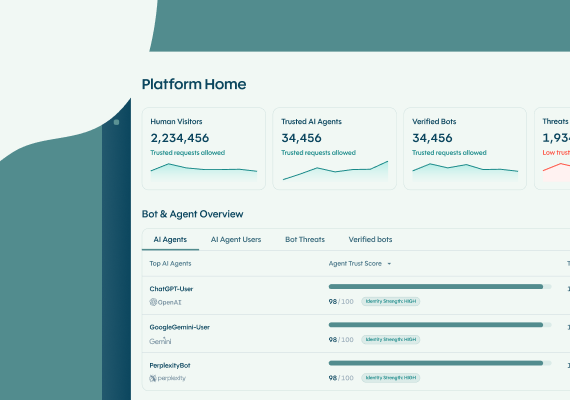
The DataDome Homepage: Your Command Center for Trust & Control
Tell me more

